
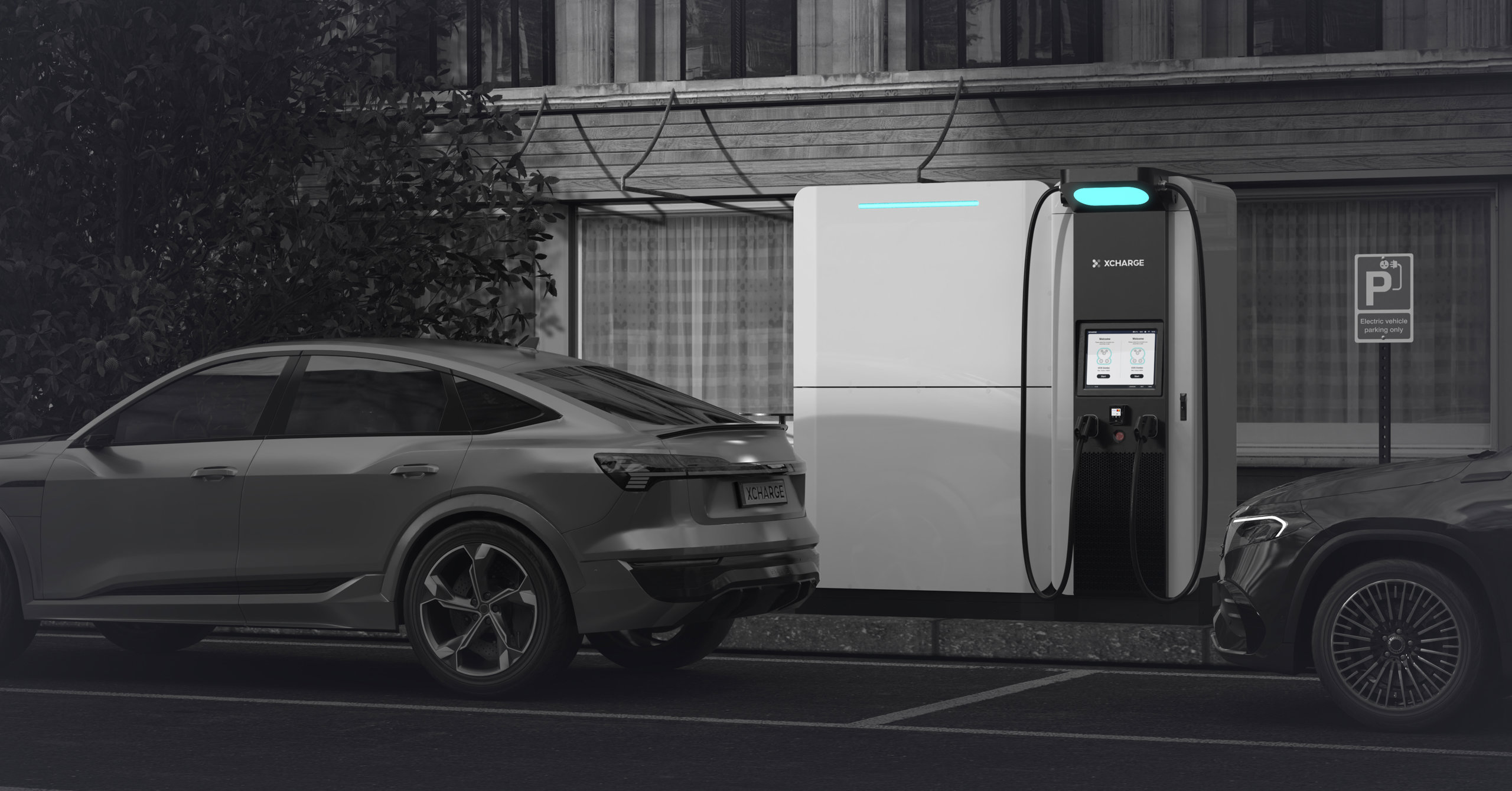
More charging power from a limited grid connection
Smart EV charging solutions
Electric transport is growing faster than the capacity of the electricity grid. For many businesses, the biggest challenge is therefore not the charging technology itself, but the amount of power available at the location.
A new charging hub or the electrification of a heavy-duty vehicle fleet can require hundreds of kilowatts or even several megawatts. Upgrading the grid connection, however, can take years.
Power Storage Solutions therefore provides complete charging solutions rather than standalone charging stations.
We combine high-power DC chargers, battery storage, transformers and intelligent energy management to create scalable charging systems that make maximum use of the available grid capacity.
Safety comes first
High-power charging places significant demands on electrical infrastructure and energy storage.
Our charging solutions are designed for intensive commercial and industrial use and combine LFP battery technology, intelligent Battery Management Systems, active thermal management and real-time energy management.
Safety and operational reliability are not optional extras. They are integral to every solution we deliver.

XCharge Ultra-Fast Charger C6
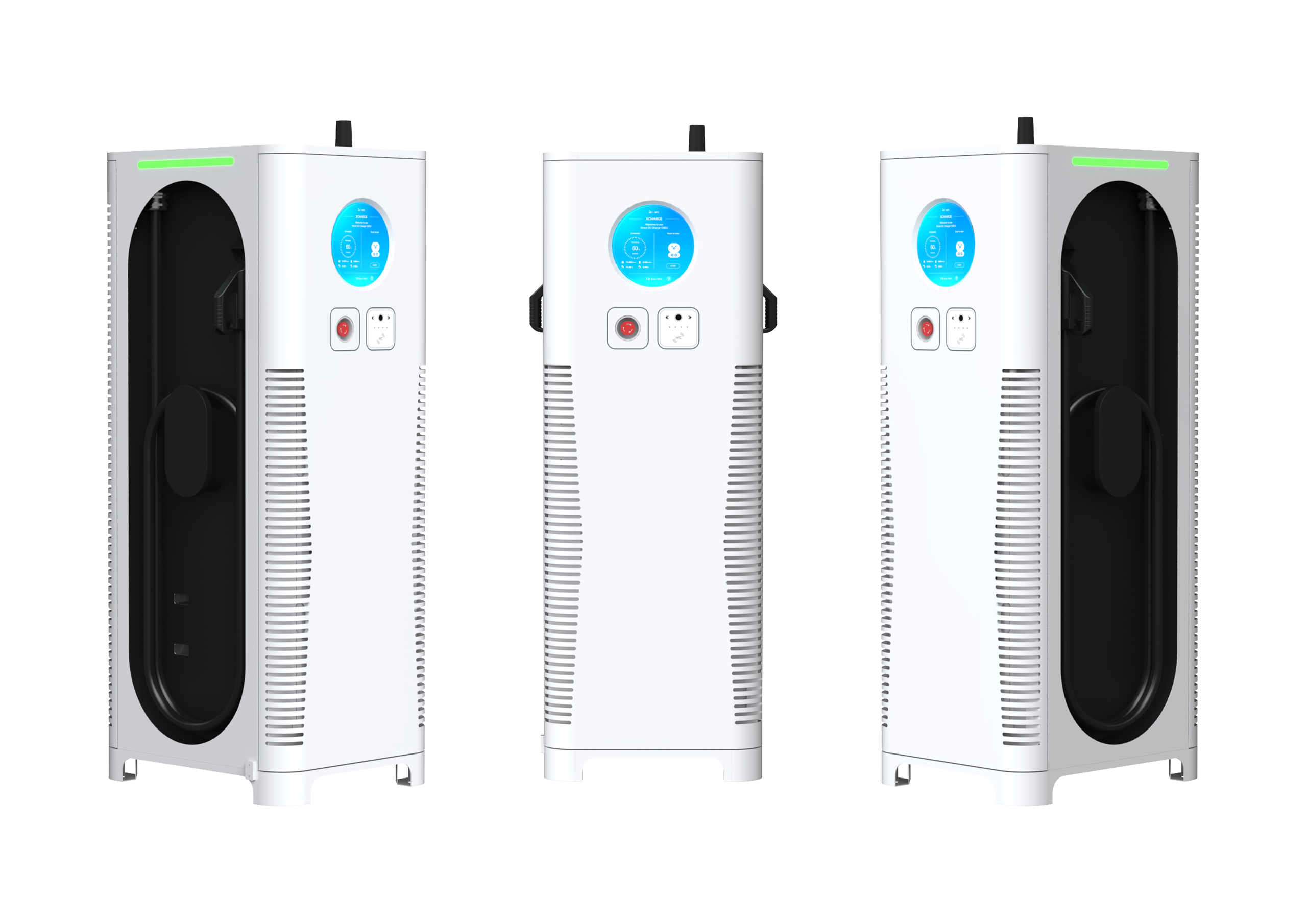
High-power charging up to 200 kW
The XCharge C6 is designed for locations where charging speed, reliability and compact installation are important.
Key specifications
DC charging power up to 200 kW
Scalable up to 1.2 MW
200–1,000 VDC
Maximum current of 300 A
Liquid-cooled components
Compact design
Suitable for
Highway charging locations
Shopping centres
Commercial locations
Charging hubs
XCharge Ultra-Fast Charger C7
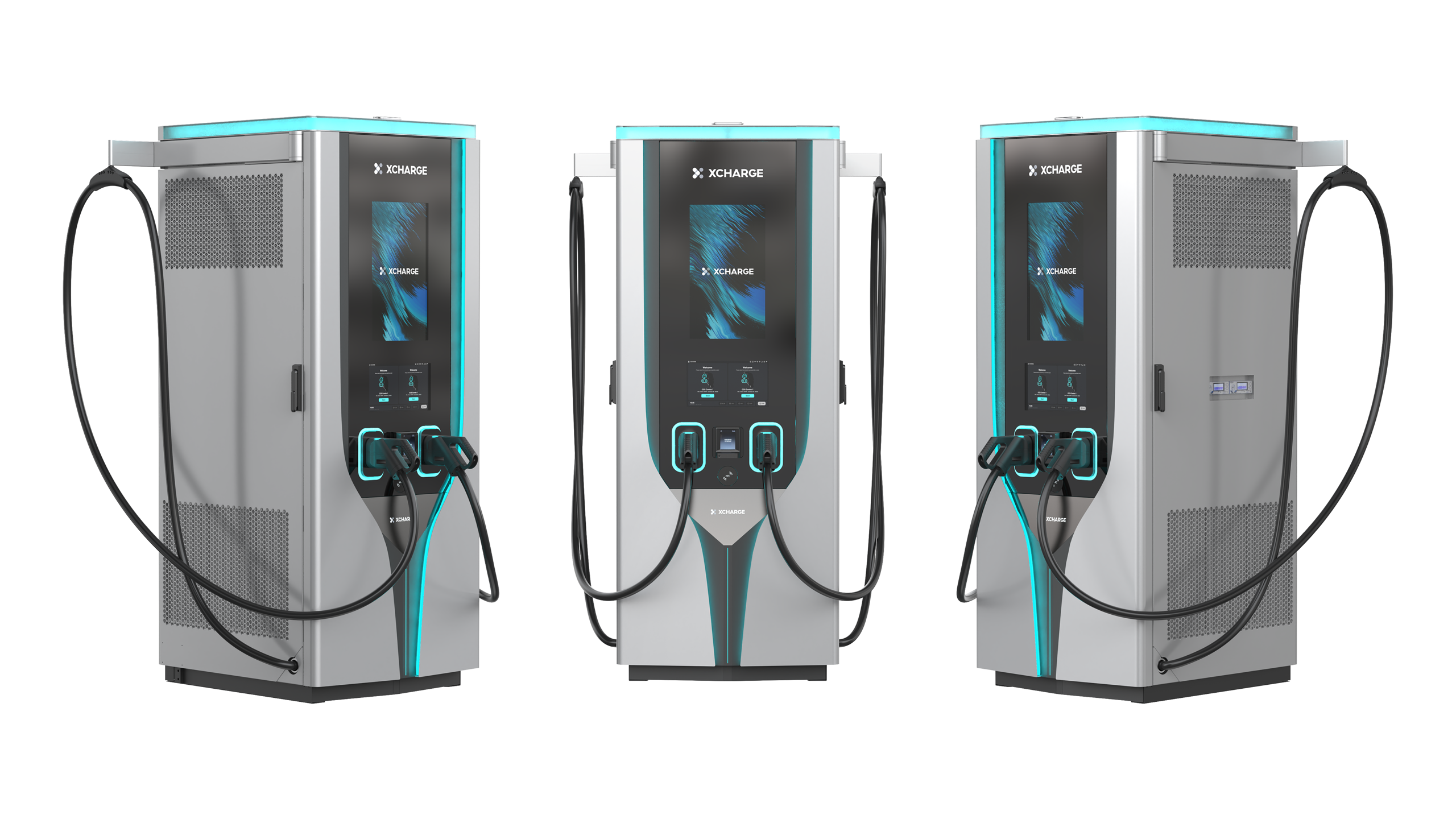
High-power charging up to 400 kW
The XCharge C7 is designed for locations where maximum charging speed and reliability are essential.
Its modular architecture allows charging capacity to be expanded for the next generation of electric trucks and buses.
Key specifications
DC charging power up to 400 kW
Scalable up to 1.2 MW
200–1,000 VDC
Maximum current of 600 A
Liquid-cooled components
Compact design
Suitable for heavy-duty vehicles
Suitable for
Highway charging stations
Truck hubs
Logistics centres
Premium charging hubs
GridLink
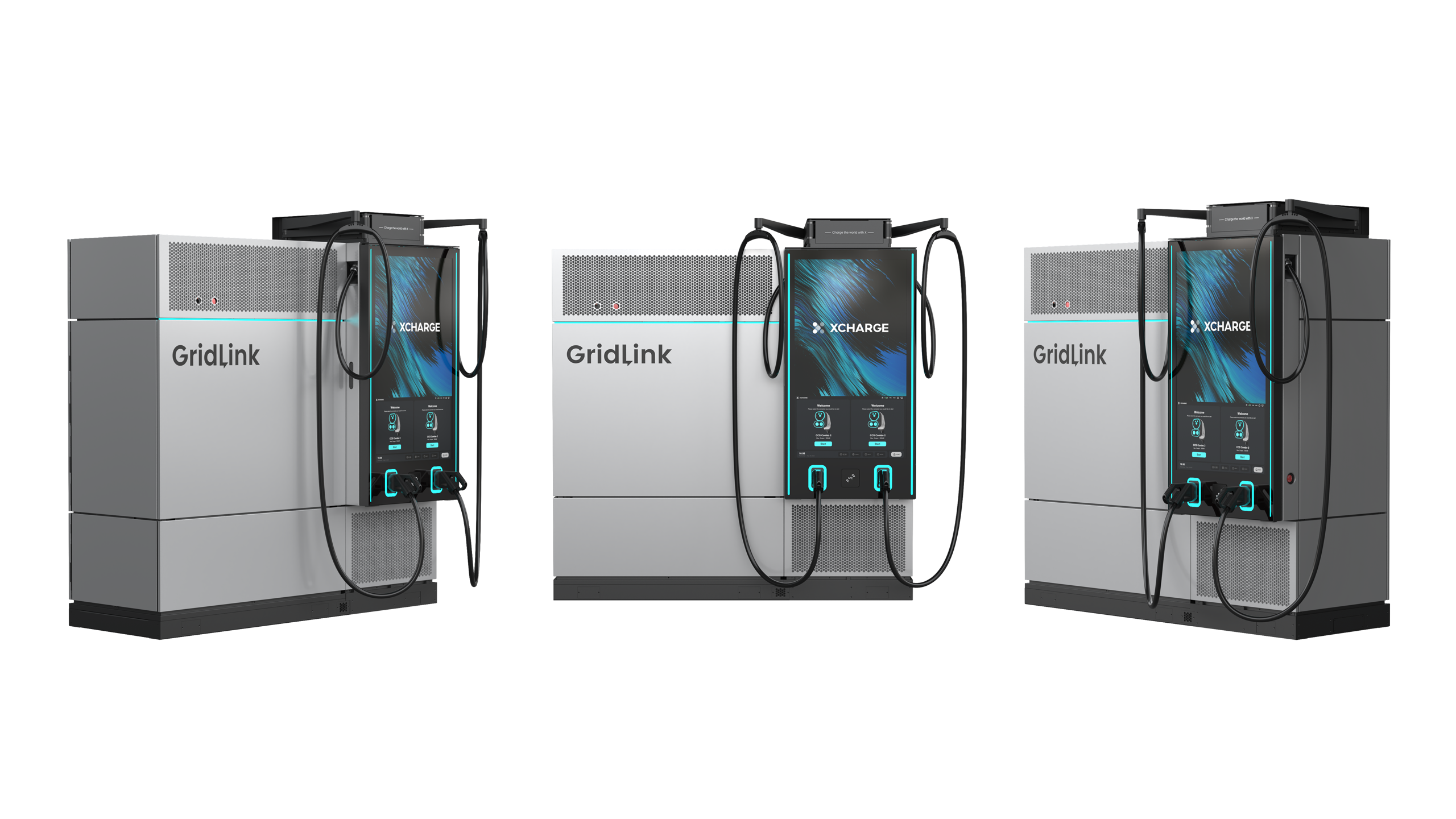
High-power charging from a limited grid connection
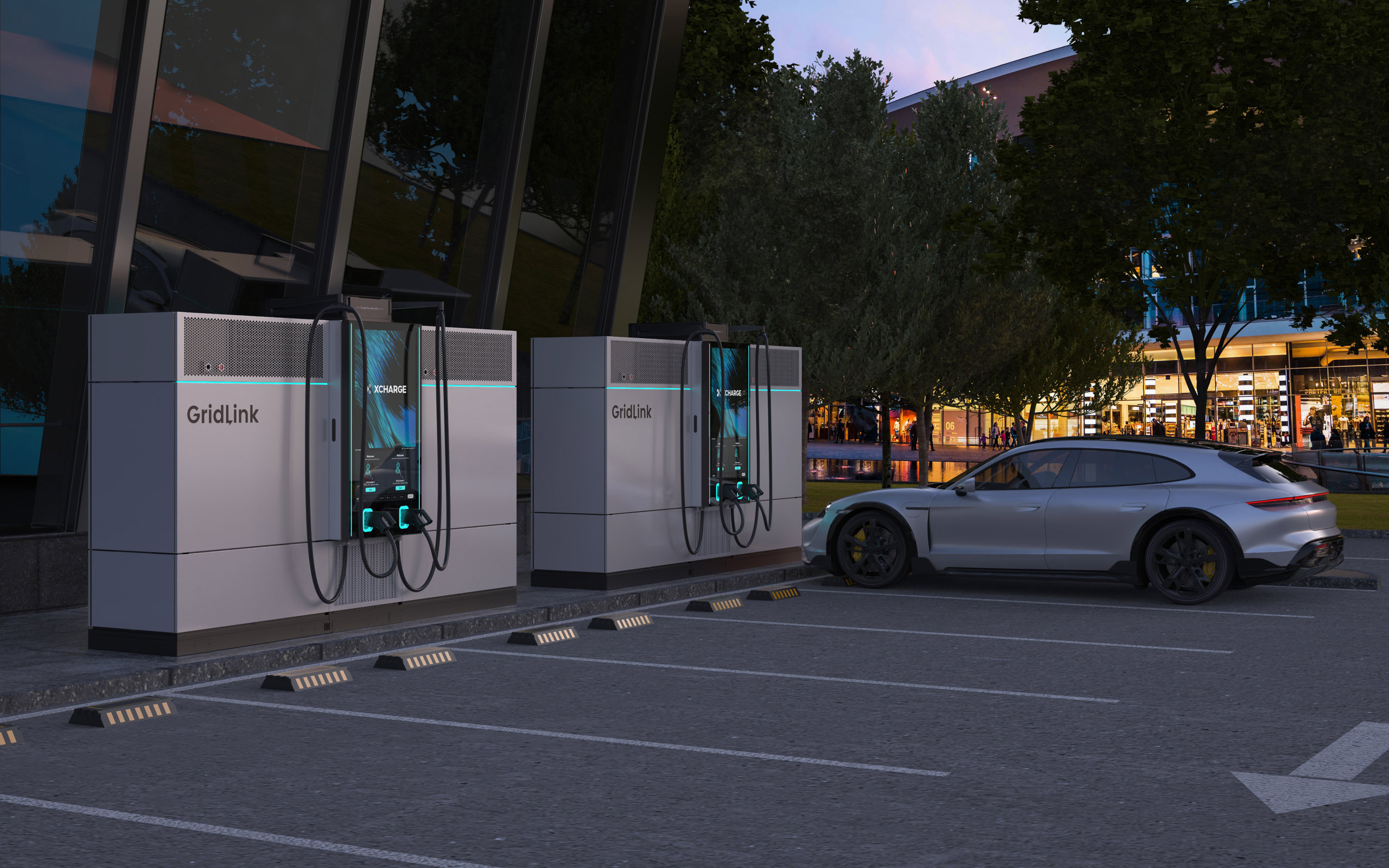
GridLink combines a powerful DC fast charger with integrated LFP battery storage and intelligent power management.
This allows locations with a relatively limited grid connection to provide high-power EV charging.
Key specifications
DC charging power up to 194 kW
Integrated 215 kWh LFP battery
Expandable to 430 kWh
Up to 150 kW from the battery buffer
44 kW from the grid connection
400 VAC connection
PV integration up to 30 kW
Bidirectional operation
Off-grid functionality
Key benefits
Plug-and-play installation
Reduced need for major grid upgrades
Intelligent load balancing
Consistent charging performance
Support for both buildings and vehicles
Q&A
Is your question not answered below? Contact our advisors.
XCharge develops professional DC fast-charging solutions for public locations, businesses, and fleets. The portfolio also includes battery-integrated systems for locations with limited grid capacity. In 2026, European production commenced in Valencia.
This depends on your charging requirements, grid capacity, and vehicle types. The C6 delivers 60–200 kW, the C7 provides up to 480 kW, and the Net Zero Series combines fast charging with battery storage. We recommend the optimal configuration following a detailed site assessment.
Charging speed depends on both the charger and the vehicle. Additionally, battery temperature, state of charge (SoC), and the vehicle's charging curve determine the actual power output the car can accept.
Yes, depending on the model and configuration. The C7 can dynamically distribute the available power between two vehicles.
This depends on the total charging capacity and simultaneous usage. High-capacity charging may require a heavy-duty low-voltage or medium-voltage connection equipped with a transformer. Load management can be utilized to limit the required peak capacity.
Yes, the Net Zero Series in particular offers an effective solution. Its integrated battery stores energy and provides temporary, additional charging power. The capacity stands at 233 kWh and is expandable up to 466 kWh; however, a comprehensive site assessment remains essential.
European models are primarily supplied with CCS2 connectors. Certain C6 configurations also support CHAdeMO. Compatibility is verified based on connector type, voltage, protocol, and maximum current.
Depending on the setup, this can be done via RFID, payment terminal, app, QR code, roaming, or Plug & Charge. Public charging points must also comply with current AFIR (Alternative Fuels Infrastructure Regulation) requirements.
The C6EU, C7, and Net Zero Series are available in Eichrecht-compliant versions. We verify the required hardware, software, and certification on a project-by-project basis.
In most cases, yes, using open communication protocols. The C7 V2 supports OCPP 2.0.1. For deployment, we prefer to test the combination of the charging station, backend, and payment solution beforehand.
The C7 V2 is pre-equipped for Plug & Charge in accordance with ISO 15118. This feature functions only when the vehicle, backend, contract provider, and digital certificates support it as well.
Yes. Utilizing load balancing and energy management, power is distributed across chargers, vehicles, and other consumers. This system can factor in building consumption, solar panels, and battery storage.
A project typically involves a site assessment, electrical and civil engineering design, grid connection, foundation work, cabling, installation, backend configuration, inspection, and commissioning. For public locations, we also take accessibility and impact protection into account.
The chargers can be monitored and updated remotely. Service agreements specify maintenance schedules, response times, spare parts availability, and on-site repairs.
The total investment includes the grid connection, transformer, civil works, backend integration, installation, and ongoing maintenance. Return on investment depends on usage, energy tariffs, occupancy rates, and savings achieved by avoiding grid upgrades or peak demand charges.